Claude Code Projects brings shared context to cloud AI agents
For small business owners, the potential is in what an automation provider could build with coordinated agents. The launch is still a limited beta with technical work involved.
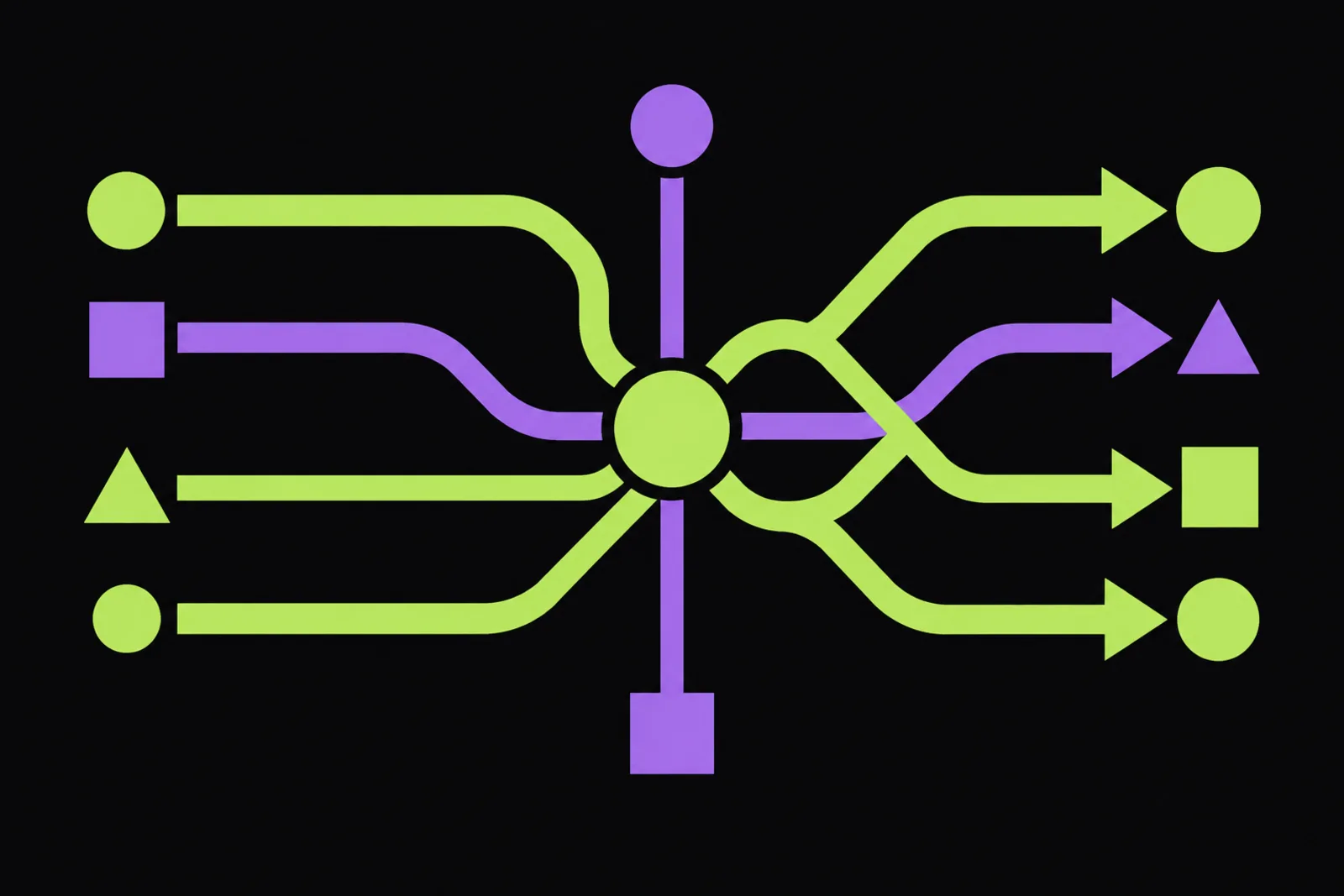
Anthropic has revamped Claude Code Projects so multiple AI agents can work within one project, sharing memory, goals, files and other work outputs. According to The Verge’s report by Stevie Bonifield, a coordinator directs separate task threads that run in parallel. Users can speak to each thread individually or oversee the work through the main project chat.
The report describes each thread as a cloud coding session with its own copy of the project’s code. Threads can also divide their assignments into smaller pieces. That gives the system a way to organise several streams of work around a common brief, rather than requiring one agent to handle every step in sequence.
Access is limited for now. The Verge reports that the beta initially covers selected Claude Pro and Max subscribers. Broader access for Pro, Max, Team and Enterprise users, plus availability in Cowork and regular Claude chats, is planned. Threads run in the cloud at launch; the report says Anthropic has promised support for local tools and code, without giving a firm date.
What shared context could mean for your next workflow
For a business of five to fifty people, our reading is that the opportunity sits mainly with whoever builds your automation. Shared context and parallel tasks could help a provider tackle a more complex assignment as several connected pieces. The reported features suggest that possibility; they do not establish that a finished business workflow will be faster, cheaper or more reliable.
Consider a possible brief covering document processing and automated reporting. You could ask a provider whether separate agents could work on different parts while using the same instructions and project files. That is an illustrative use case, not a capability demonstrated in The Verge’s report. The distinction matters when deciding what to trial.
There is also a practical limit to the coordination. According to The Verge, if threads change the same code, the overlap still has to be resolved as a code merge conflict. In plain terms, separate contributions can clash, and the coordinator does not remove that issue. Our judgement is that this remains a technical building tool, not a ready-made system an owner can simply switch on.
Ask for a bounded trial before expanding the brief
If you are discussing an automation project, use this announcement to sharpen the questions rather than expand the scope immediately. The source describes how work is organised and who initially gets access. It does not demonstrate a completed workflow for an Australian small business.
- Confirm access: ask whether the person proposing the trial actually has the beta, given the limited initial rollout reported by The Verge.
- Choose one outcome: define a small deliverable and clear acceptance criteria so you can judge the result against your brief.
- Clarify responsibility: ask who will review the combined work and resolve overlapping code changes.
- Check dependencies: ask whether the proposal needs local tools or code support that the report describes as still coming.
Our recommendation is to assess a working example before committing to a larger build. Shared project context is a promising direction for coordinating automation development, but this announcement alone is not evidence that a particular workflow is ready for your business.
Questions
Can my business use the new Claude Code Projects now?
According to The Verge, the beta initially opens to selected Claude Pro and Max subscribers. Access is planned to expand to all Pro, Max, Team and Enterprise users, with Cowork and regular Claude chats also included later. The report does not give a firm date for that wider availability.
What does running multiple Claude agents actually mean?
The Verge describes separate task threads working in parallel under a coordinator. They share project memory, goals, files and work outputs, while each thread has its own cloud coding session and copy of the code. You can interact with individual threads or monitor and update work through the main project chat.
Will the agents automatically sort out conflicting changes?
Not entirely. According to The Verge, the coordinator organises the work, but overlapping changes to the same code are handled as merge conflicts. That means the contributions still need to be reconciled. The report also says each thread can split delegated work into smaller tasks, but it does not claim conflict-free results.
https://aismith.com.au/blog/claude-code-projects-brings-shared-context-to-cloud-ai-agents